39 are labels required for non gmo products in the us
GMO Labeling Laws per Country - Global Food Safety Resource Due to the lack of concrete evidence proving that genetically modified foods are indeed detrimental to health, many countries do not have mandatory GMO labeling laws in place. GMO Labeling Laws If you look at the table below, only three countries implement a complete and total ban of genetically engineered (GE) food both imported and cultivated. Is GMO Labelling Mandatory In Us? - QuestionAnswer.io Are labels required for non-GMO products in the US? The GMO labeling law is directed at grocery products. Food sold by restaurants, food trucks, delicatessens, or served by airlines are not required to carry bioengineered food labels even if the items are produced with GMOs. … The USDA homepage for bioengineered food regulation is available here.
Labeling of Genetically Modified Foods - 9.371 - Extension Mandatory labeling of genetically modified (GM) foods has been proposed under a variety of initiatives at national and state levels but has not yet been implemented in the United States. Current U.S. law mandates food labeling when there is a substantial difference in the nutritional or safety characteristics of a new food.

Are labels required for non gmo products in the us
US House mulls labeling for non-GMO food, feed The bill would also override any state laws that require the labeling. Under the legislation, the USDA would oversee the certification, as it does with organic foods. But while organic foods must be USDA-certified to carry any organic label on a package, the USDA non-GMO certification would not be required for every food that bills itself as ... Final GMO labeling rule does not require labeling ... - FoodNavigator-USA Consumers can, however, rely on labels such as "Non-GMO Project Verified" which will tell them if a food does not contain GMO ingredients." Michael Hansen, Senior Scientist, Consumer Reports GMO Foods Will Be Labeled 'Bioengineered' - Verywell Health Some states had their own rules while others didn't require the label at all. In 2014, Vermont was the first state to pass a GMO labeling law. However, the federal law that required the USDA to create a standard labeling requirement overrode the state law in Vermont two years later.
Are labels required for non gmo products in the us. Verification FAQs - The Non-GMO Project Non-GMO Project Verified is the fastest growing label in the natural products industry, representing over $26 billion in annual sales and more than 50,000 Verified products for over 3,000 brands. Non-GMO products are in demand and the Non-GMO Project Verified seal is the most trusted non-GMO label among consumers. How GMOs Are Regulated for Food and Plant Safety in the United States | FDA The Standard establishes requirements for labeling foods that humans eat that are or may be bioengineered and defines bioengineered foods as those that contain detectable genetic material that has... Labeling of genetically modified products - United States Mission to ... All food products containing or consisting of GMOs, produced from GMOs or containing ingredients produced from GMOs must be labeled even if they no longer contain detectable traces of GMOs. The labeling requirement does not apply to foods containing GMOs in a proportion equal to or less than 0.9 percent of the food ingredients considered individually, provided their presence is adventitious or technically unavoidable. GMO labeling: USDA 'bioengineered' labeling ... - FoodNavigator-USA "The combinations of mandatory and voluntary disclosures, the number of products that will be exempt, and the range of Non-GMO claims that currently exist, make for a very confusing marketplace ...
Inside the GMO law: What needs to be labeled and why it matters Any product that intentionally contains bioengineered ingredients needs to have a label. If a product inadvertently has at least 5% bioengineered material it needs a label. This is a higher ... Why we need mandatory labeling of GMO products - STAT You might expect a company that creates GMO-based products would want the issue of labeling to disappear. We don't. In fact, we support mandatory labeling of all GMO products. Mandatory labeling is... Non-GMO - Consumer Reports While the Department of Agriculture requires meat, poultry, and egg product producers to submit a copy of their label for approval if it includes a non-GMO claim, government employees approve this... GMO is out, 'bioengineered' is in, as new U.S. food labeling rules take ... Say goodbye to GMOs. The new term for foods created with a boost from science is "bioengineered." As of Jan. 1, food manufacturers, importers and retailers in the U.S. must comply with a new ...
Product Labeling Regulations in the US, EU and Australia Labeling Requirements in the United States Country of Origin Most products sold in the United States must carry a Country of Origin label. If your products are manufactured in China, you may label your product as "Made in China". The country of origin must be clearly visible to the customer - either on the product itself, its packaging, or both. Thailand mandates GMO declarations in latest food labelling regulatory ... Clear and present labels: Thailand mandates GMO declarations in latest food labelling regulatory update 'Transforming recycling': New Zealand food sector pushes for clearer on-pack labelling ; Fat of the land: Sime Darby zooms in on plant-based development and wellness products for edible oil portfolio innovation Non-GMO Production in Europe - ENGA Any non-GMO labelling must comply with strict requirements. The entire food and feed production process is checked to ensure the absence of GMOs - from seed to cultivation on the fields to processing and all the way to packaging, including the correct use of the non-GMO label. The Truth Behind GMO Labeling | GMO Answers The non-GMO label means a food product contains fewer than 1% of genetically modified ingredients. Because of this, food labeled non-GMO is not legally considered GMO-free. GMOs (genetically modified organisms) are crops that have been created to produce more desirable traits. Non-GMO labels can differ in other countries.
What You Need to Know About Non-GMO and Organic food labels
Non-GMO labels are on the rise in Europe - but why? Any product manufactured in the EU that contains more than 0.9% GM material must be labelled as such . Despite this, demand for GM-free food - containing no more than 0.1% GM - is growing. So far this year, GMO-free claims have been made for 3.5% of new product launches in Germany, 2.4% in the UK and 4.7% in Italy.

Deathwish Cayenne Hot Sauce
Guidance: Voluntary Labeling Food from Genetically Engineered Plants FDA is providing this guidance to assist food and feed manufacturers that wish to voluntarily label their plant-derived food products or ingredients (for humans or for animals) as having been made...

Our View: GMO labeling doesn't answer the right questions - Portland Press Herald
Everything you need to know about GMO labeling in 2020 Instances where GMOs do not have to be labeled include: Foods derived from animals, such as eggs, meat and milk; Refined ingredients like oils and sugars; Food served in a restaurant; Foods manufactured and sold by very small manufacturers (local shops, etc.) Any non-food products; While GMO labeling may be changing, the safety of our food isn't.

Why Labeling GMOs in Food Might Be a Win-Win | Gmo labeling, Gmo foods, Gmo facts
What You Need to Know About GMO Labeling - Consumer Reports Today in federal appeals court, the issue will be debated again. The Vermont Genetically Engineered Food Labeling Act requires that by July 2016 all food and beverages sold in the state—including...
Natural Orange Sanding Sugar | My Organic Spice Custom Labels Custom Favors Gift Sets Non-GMO
New USDA guidance requires foods with GMO ingredients be labeled ... Foods that had been labeled as containing "genetically modified organisms (GMOs)" will now be known as "bioengineered," or having been "derived from bioengineering," under standards set by the...
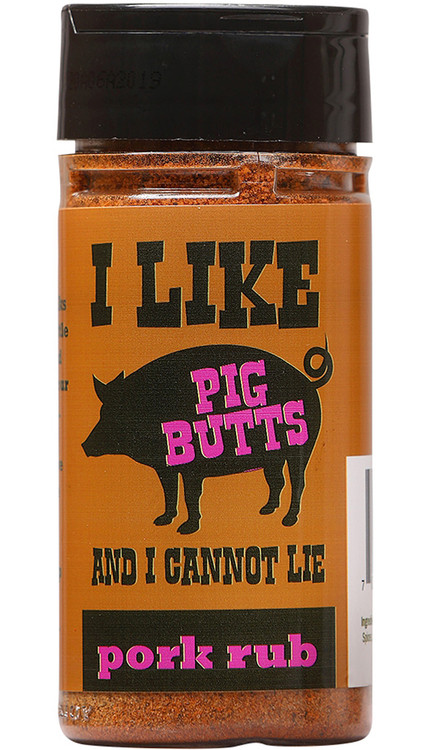
I Like Pig Butts Barbecue Rub
Understanding Non-GMO labeling - Kabrita USA All foods manufactured in the EU must be labeled GMO if they contain more than 0.9% GMO ingredients, based on each individual ingredient. In other words, products with fewer than 0.9% GMO ingredients may be labeled 'Non-GMO'. In the US one of the largest third-party verification certifiers, The Non-GMO Project, uses the same criteria.
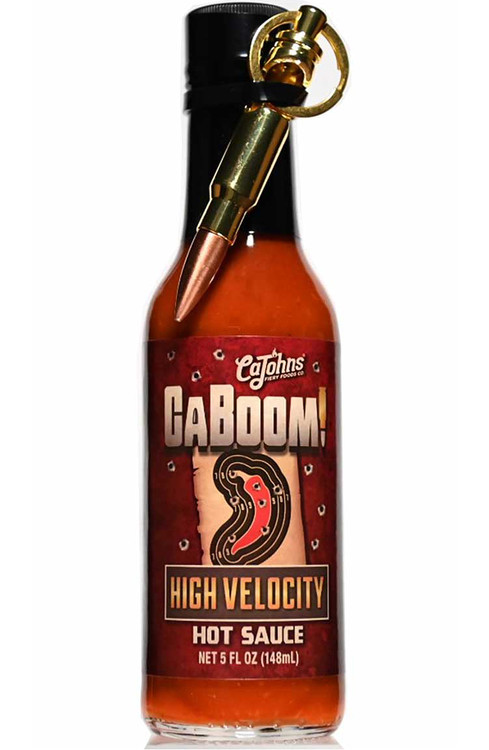
Caboom! High Velocity Hot Sauce with Bullet Keychain
Preparing for GMO labeling in 2022 - Food Business News "To be clear, all non-organic ingredients allowed in the 5% or 30% non-organic portion of organic-certified products must be non-GMO," Ms. Kuler said. The NBFDS states organic certification...

Do Consumers Want Mandatory GMO Labeling? — Jayson Lusk
GMO Labeling | OTA GMO Labeling. For years, the Organic Trade Association (OTA) has supported efforts to bring federal mandatory GMO labeling to the United States. On July 29, 2016 President Obama signed into law a federal labeling bill that recognizes, unequivocally, that USDA Certified Organic products qualify for non-GMO claims in the market place.

What Are GMO's & Why My Family Avoids Them | Earth Mama's World | Gmo labeling, Monsanto, Gmo foods
USDA releases final GMO labeling rules - Alliance for Science December 20, 2018. The US Department of Agriculture has announced its final rule for labeling products made with genetically engineered (GMO) ingredients, which will now be called "bioengineered.". In a win for farmers, the new rule states that no disclosure is required on refined foods such as vegetable oils and sugar if the modified ...

Bayou Butt Burner Hot Sauce
Labeling Foods With and Without GMOs, or Bioengineered Ingredients A GMO labeling law was passed by Congress in July of 2016, laying out a new national mandatory standard. ... Should you choose to voluntarily label your non-bioengineered products, the FDA recommends the words and phrases below: Not bioengineered. ... USA . Toll Free: 1-888-575-2235 Local: 407-936-3900 ...

Survey: Americans Support GMO Food Labels but Don't Know Much About Safety of Genetically ...
GMO Foods Will Be Labeled 'Bioengineered' - Verywell Health Some states had their own rules while others didn't require the label at all. In 2014, Vermont was the first state to pass a GMO labeling law. However, the federal law that required the USDA to create a standard labeling requirement overrode the state law in Vermont two years later.

c-cooking: Healthy Eating Shopping Guide
Final GMO labeling rule does not require labeling ... - FoodNavigator-USA Consumers can, however, rely on labels such as "Non-GMO Project Verified" which will tell them if a food does not contain GMO ingredients." Michael Hansen, Senior Scientist, Consumer Reports

How your food gets the 'non-GMO' label | MPR News
US House mulls labeling for non-GMO food, feed The bill would also override any state laws that require the labeling. Under the legislation, the USDA would oversee the certification, as it does with organic foods. But while organic foods must be USDA-certified to carry any organic label on a package, the USDA non-GMO certification would not be required for every food that bills itself as ...

GMO Labeling Campaign Urges Parents to Petition the FDA - Organic Authority

The USDA Proposed GMO Labels Are Here—And They Might Confuse You | Usda, Labels, Gmo
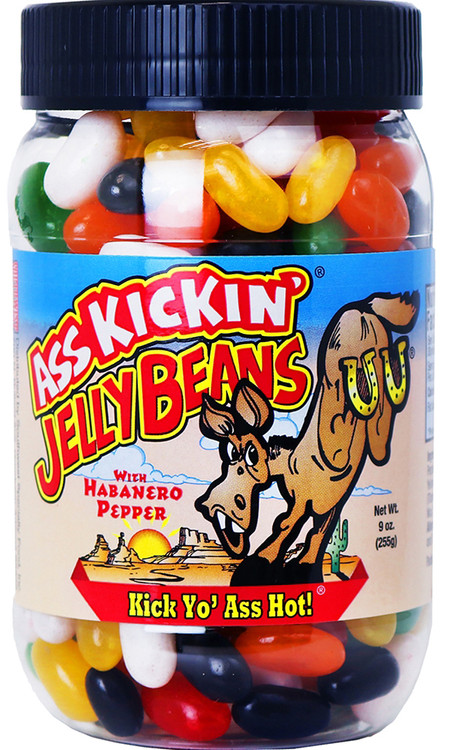
Ass Kickin' Jelly Beans w/ Habanero Pepper
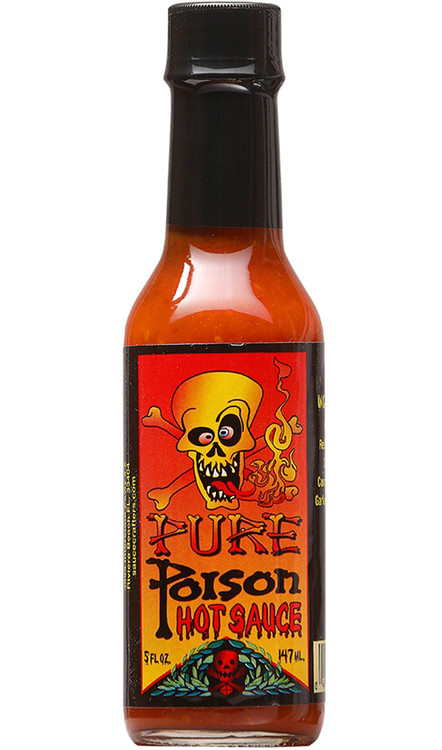
Pure Poison Hot Sauce
Post a Comment for "39 are labels required for non gmo products in the us"